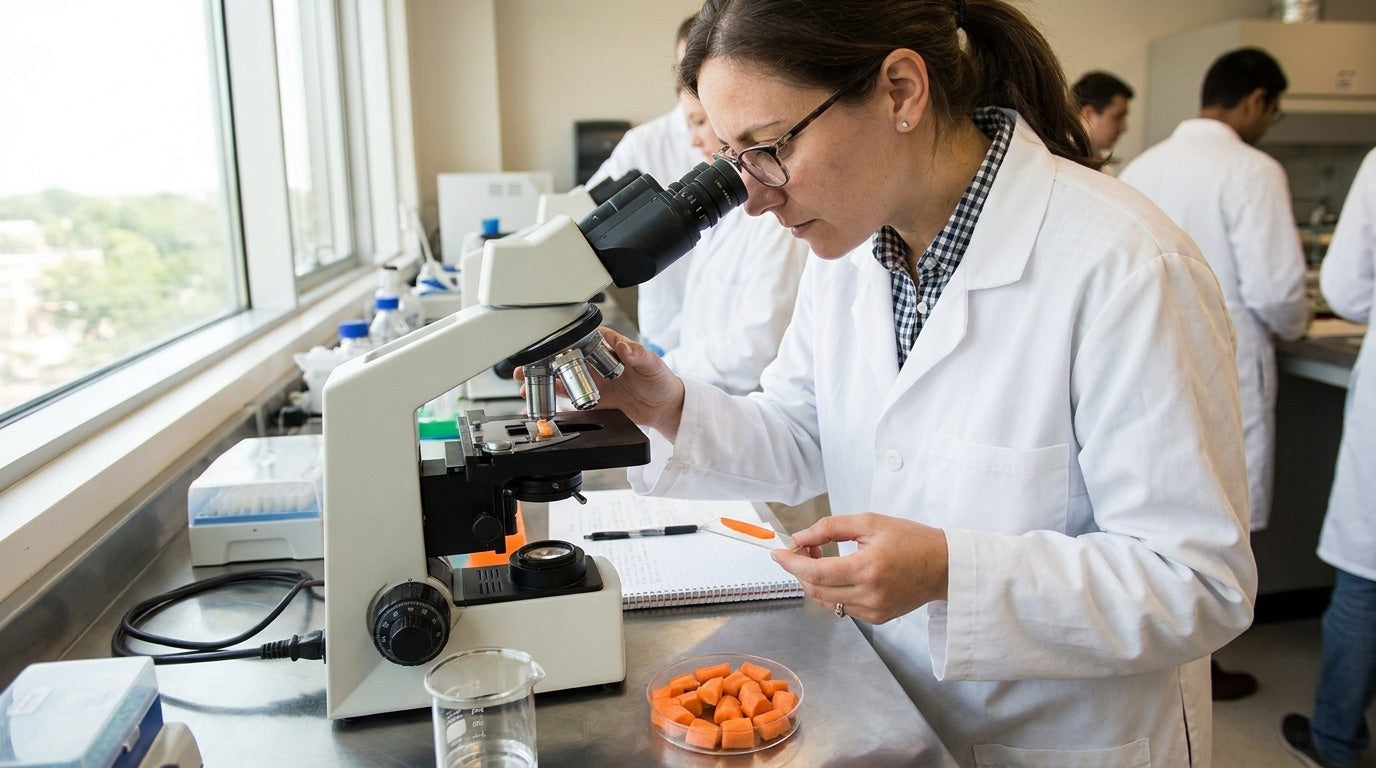
A scientist chopped a carrot on a plastic board. Then she looked at the carrot.
What she measured is now in a peer-reviewed journal, and it changes how you'll look at the most-used tool in your kitchen.
Your cutting board looks clean. You wash it after every use, maybe you even run it through the dishwasher, so of course it's fine.
That's what most people assume, and it's what set out to actually measure, by chopping on ordinary plastic boards and then studying what came off them.
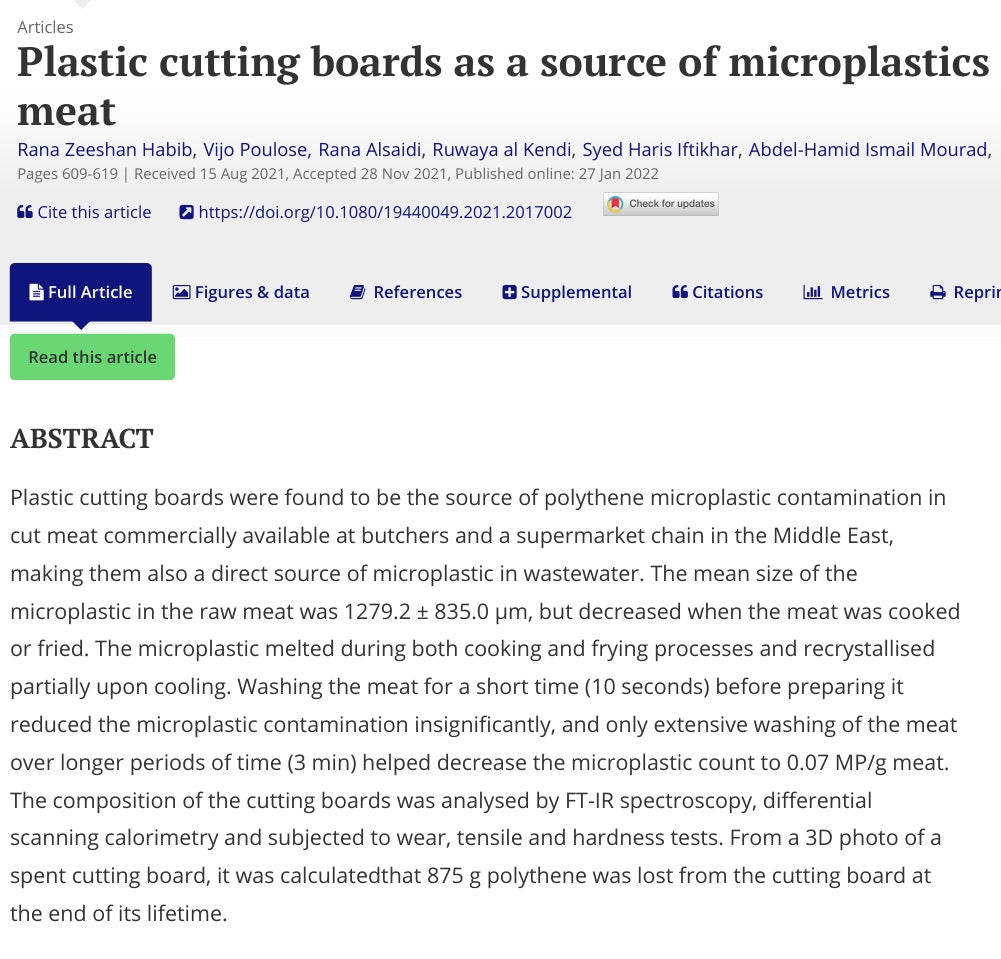
Here's what they found. The board was shedding tiny flecks of plastic straight into the food, and they were able to measure it: a single board can shed a surprising amount of plastic over the ordinary course of being used and cut on.
It doesn't show up on the surface. You can't see it, you can't feel it, and no amount of scrubbing gets it back out. To understand why, you have to look at what your knife is actually doing to the board.
The gap you've been cleaning over, not into
Every time your knife lands on a plastic board, it opens a thin cut in the surface, and after a few thousand strokes that surface becomes a field of tiny grooves. Woodworkers and food scientists have a plain way of describing what those grooves do, and once you see it you can't unsee it.
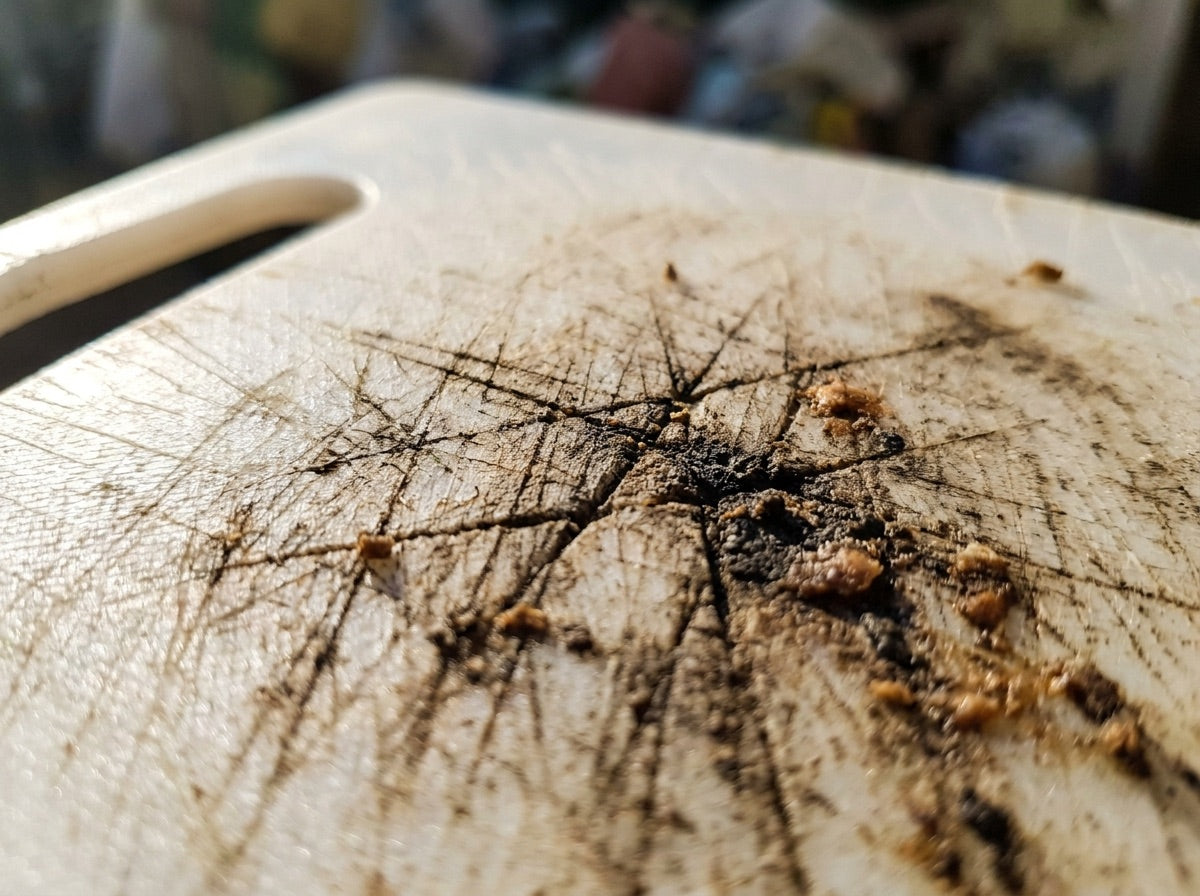
Two things collect in that gap. The first is loose flecks of plastic, shaved off by the blade, which mix straight into whatever you're chopping. The second is bacteria, which settle down into the grooves, below the level your sponge can reach.
When you wash a scarred plastic board, you're not cleaning the cuts. You're cleaning over them.
So the food picks up the plastic, and the germs stay behind for the next meal, and neither problem is one you can scrub your way out of, because the damage is down inside the board where cleaning simply doesn't go.
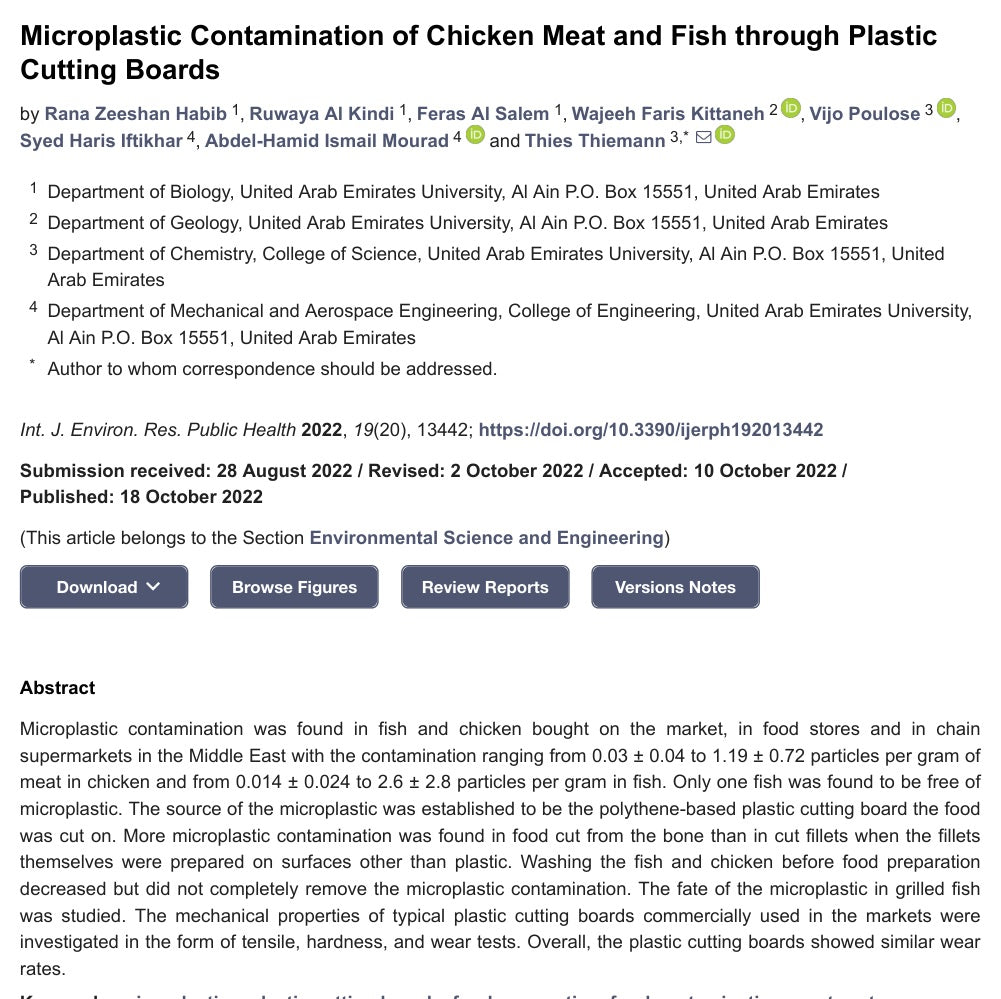
It isn't only a lab curiosity, either. Follow-up work traced that same board plastic , and prepped on plastic.
Now, to be straight with you: scientists are still studying what a steady trickle of these plastic flecks means for the body, and nobody can honestly claim to know the full answer yet. But you don't need to wait for that answer to make a simple call, because given the choice, most people would rather their dinner didn't come with a side of their cutting board at all.
Now here's the part that surprised even the researchers
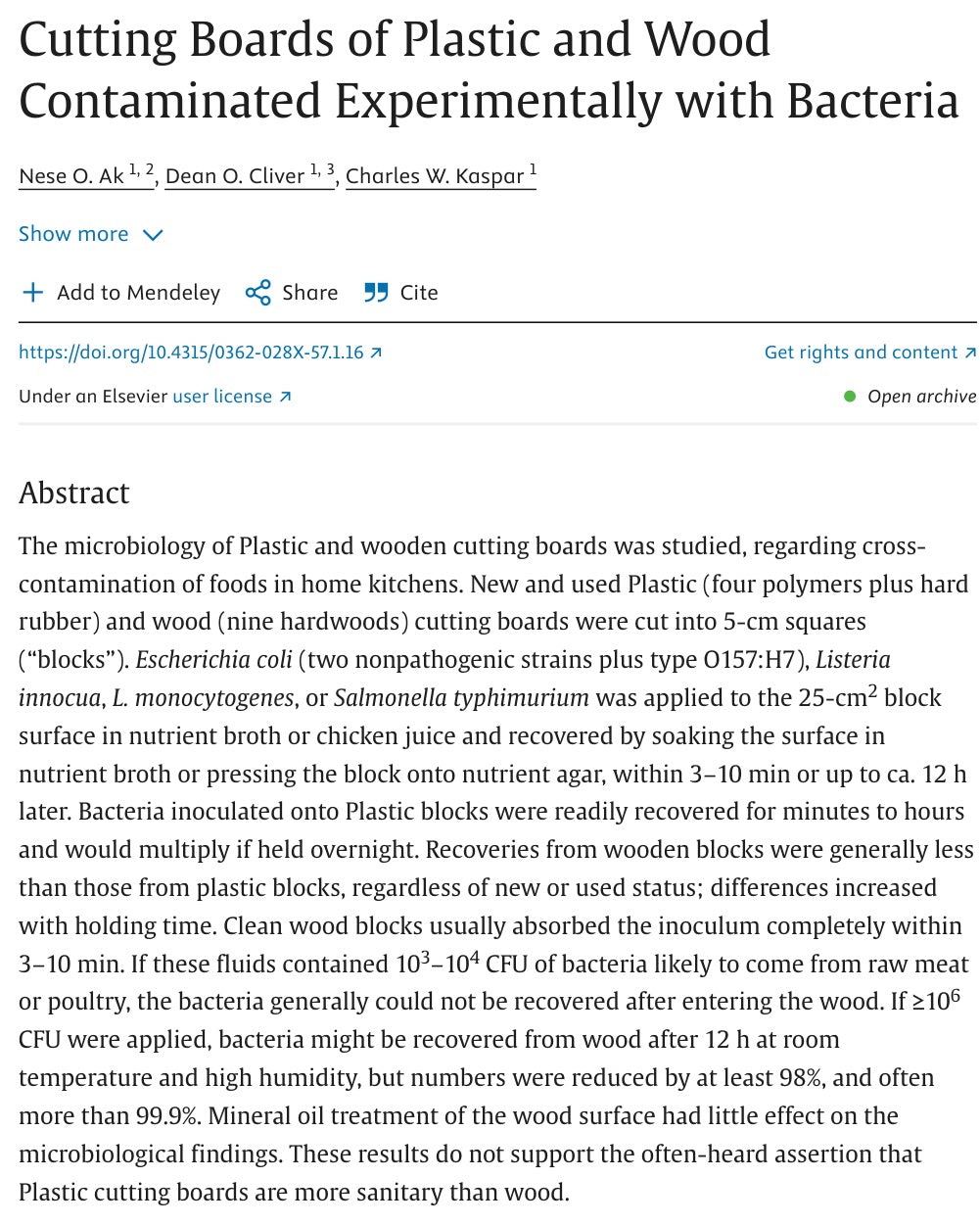
For decades we were told wood was the unhygienic choice and plastic was the clean upgrade, so a group of set out to prove it, by putting the same bacteria on both plastic and wooden boards and checking what happened.
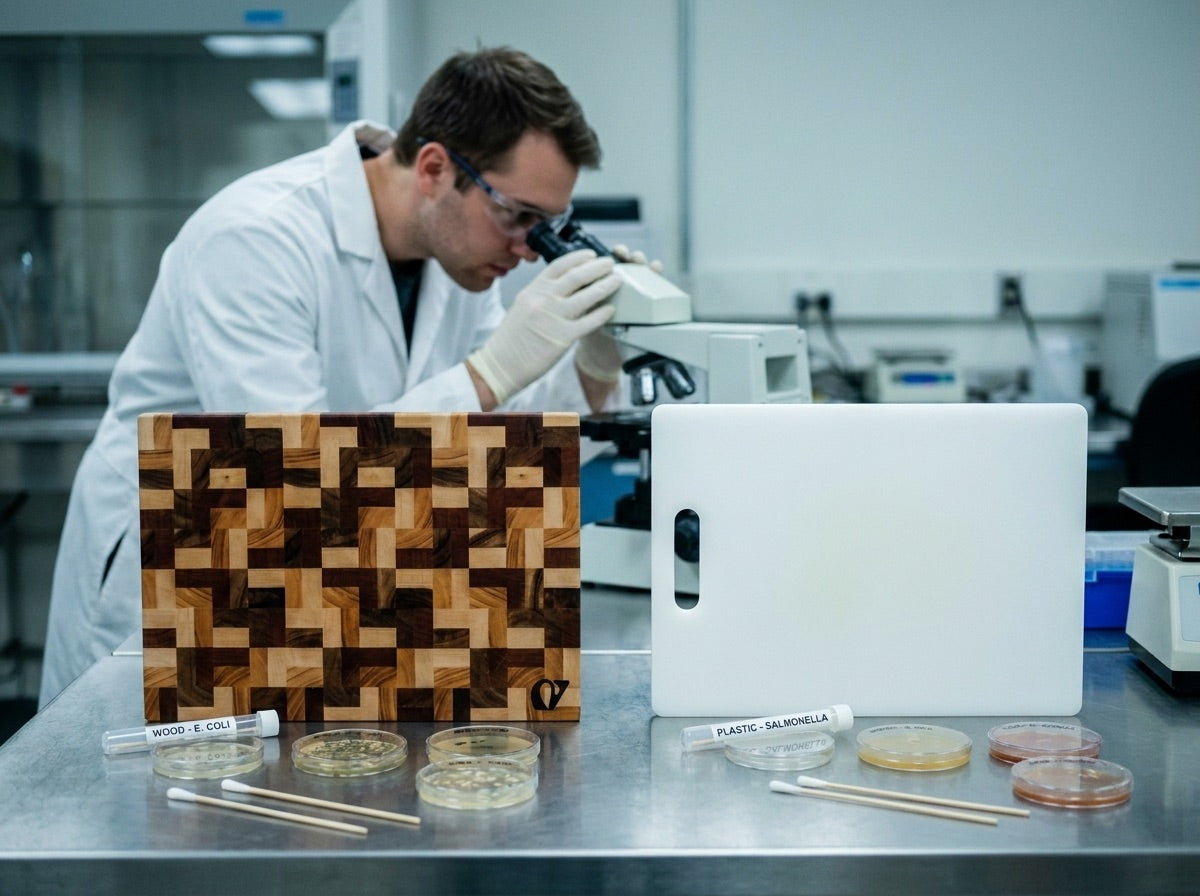
They found the opposite of what they expected. On the plastic, the bacteria sat in the knife cuts and survived, and on a scarred board they were nearly impossible to clean off. On the wood, the bacteria were drawn down into the surface and died off there instead.
A used wooden board, scars and all, kept coming back close to clean. A used plastic board did not. The very thing that made plastic feel modern, that hard sealed surface, is what turns into a trap the moment your knife starts scarring it.
But wait, isn't wood the one that's hard to keep clean?
It's a fair question, because that's exactly what we were all taught, and there's a grain of truth underneath it: cheap, soft, thirsty wood really is a poor cutting surface, since it gouges easily and drinks in liquid.
So the honest answer is that not all wood is board-worthy. There's a narrow range that works: hard enough that a knife won't scar it, kind enough that it won't dull your blade, and closed-grain enough that liquid stays up on top where you wash it off. Miss that range and you get the bad reputation wood has carried for years.
And the upkeep people dread turns out to be a couple of minutes of oil every few weeks, which is a small price for a surface that stays clean on the inside instead of hiding what your knife left behind.
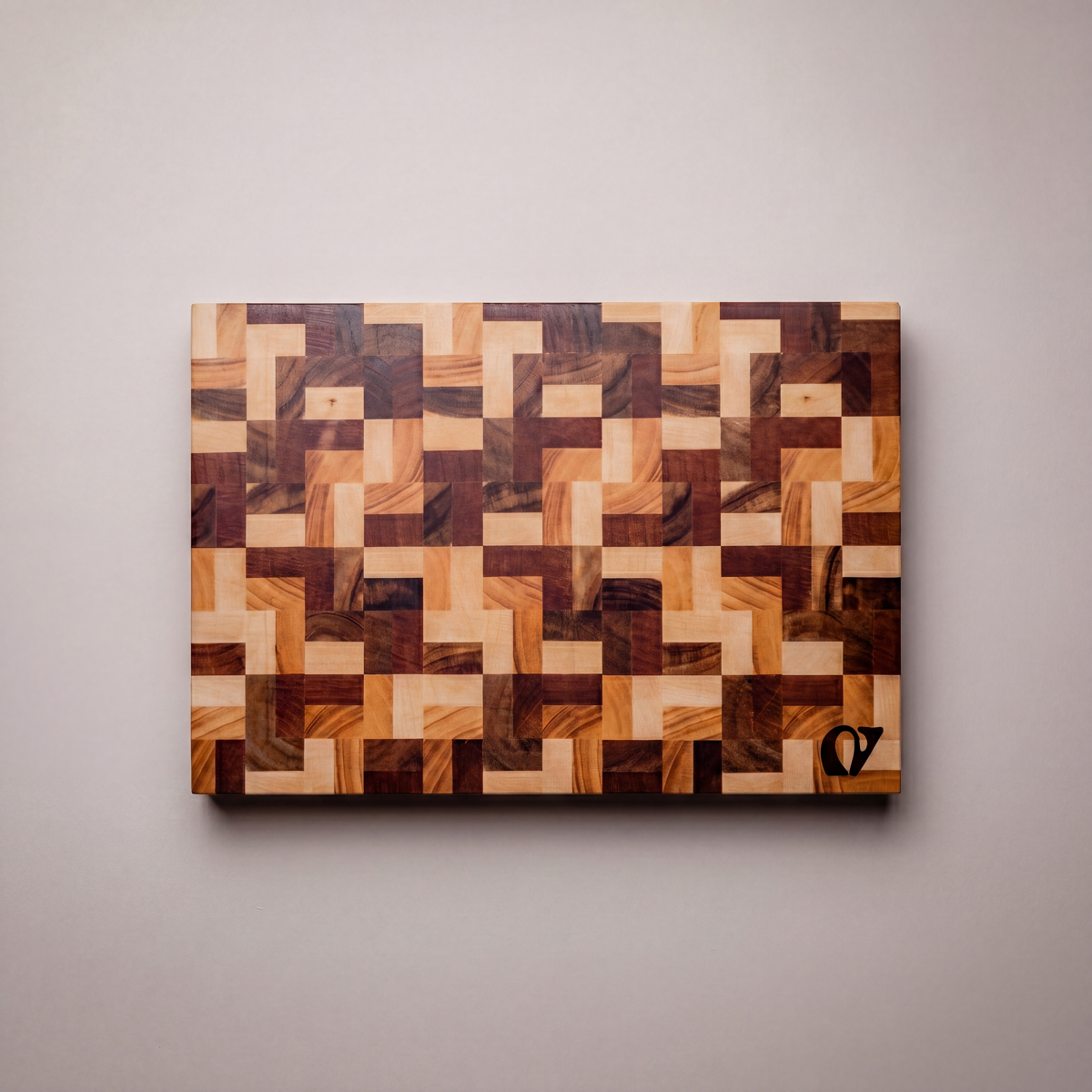
This is the thinking behind the board @notorious_foodie built, the cook 20 million people watch prep every day, because he spent years chopping on camera and watched every plastic board he owned turn into exactly the scarred, shedding surface those studies describe.
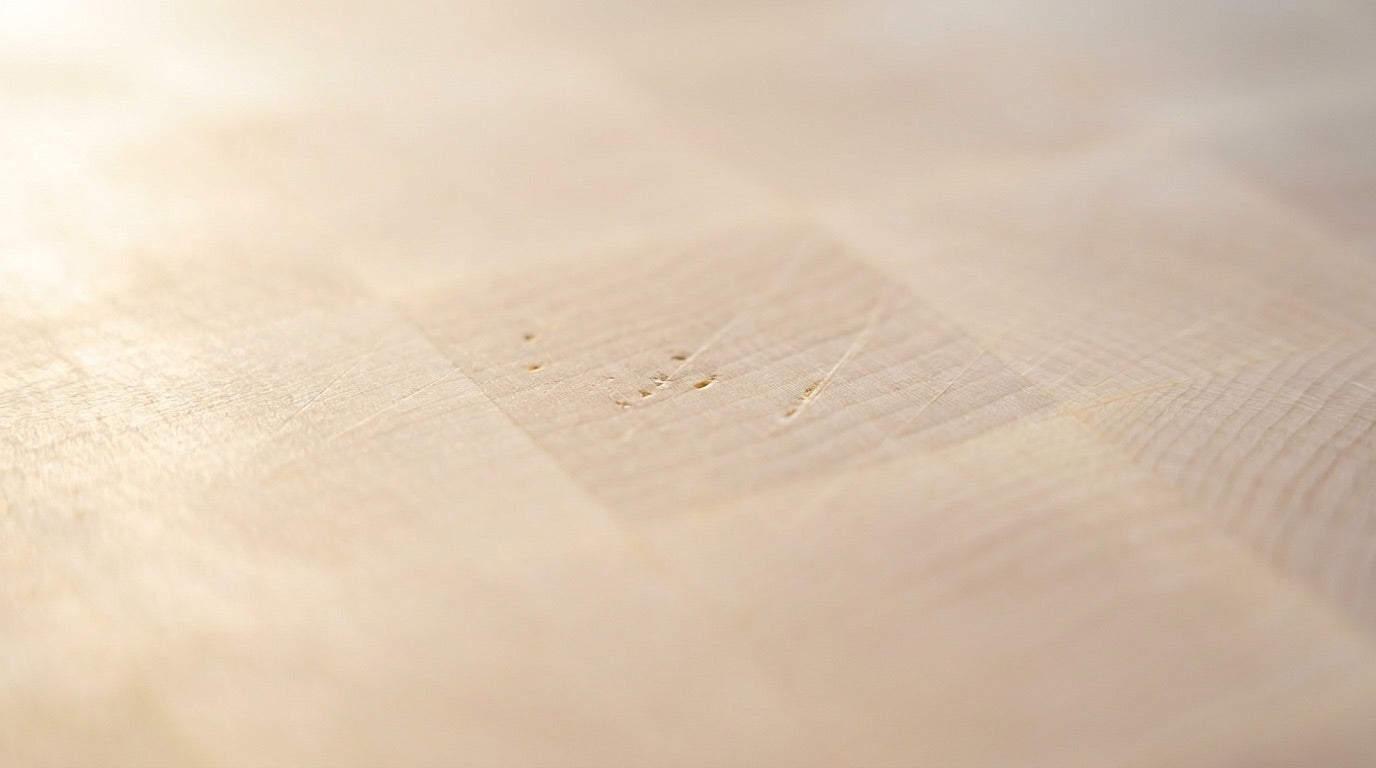
So he built an end-grain board. The wood fibers stand straight up, like a tight bundle of straws stood on their ends, so when the knife comes down the fibers part to let the blade in and then close back around the cut, which is why butchers have prepped on blocks like this for a hundred years.
The surface heals over the mark instead of holding it, so nothing gets trapped below the surface, and cleaning it is as simple as a quick wash with soap and warm water.
 Maple
Maple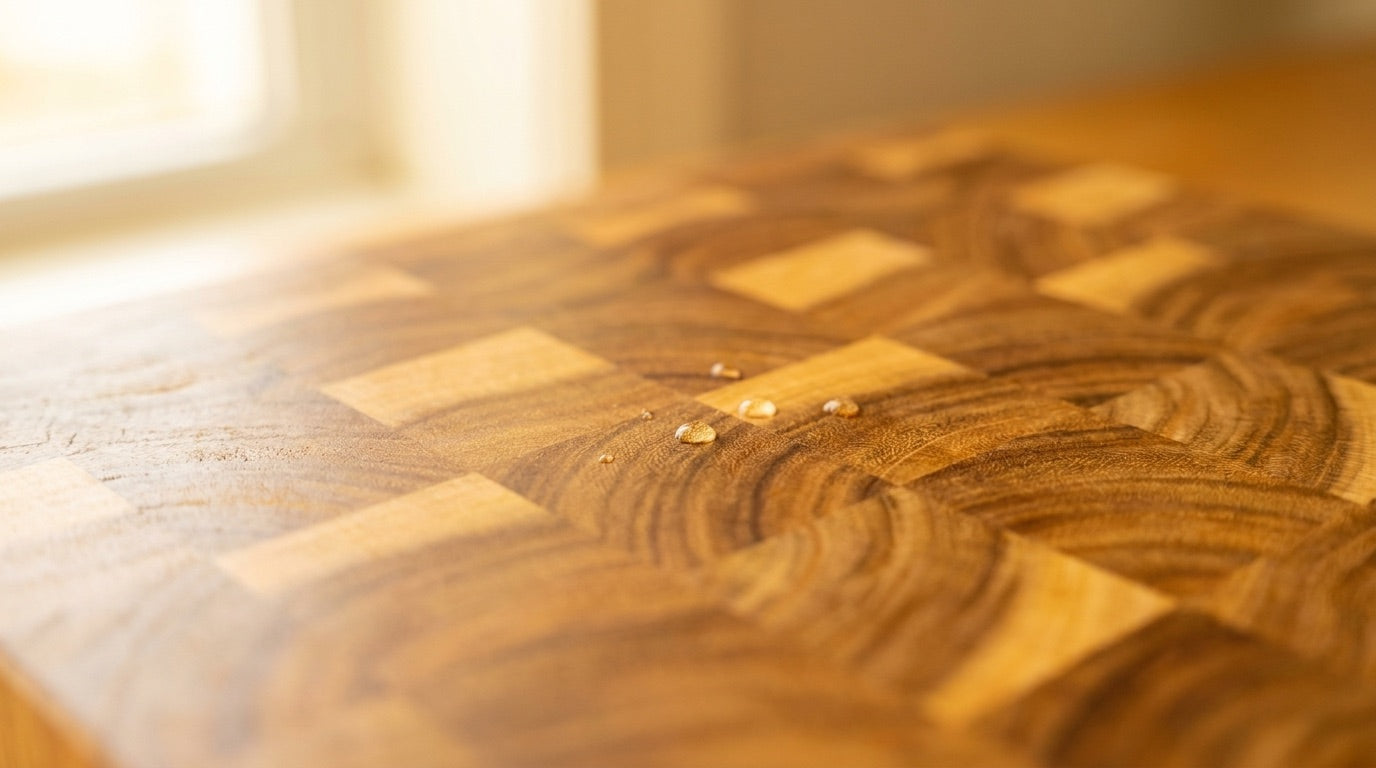 Acacia
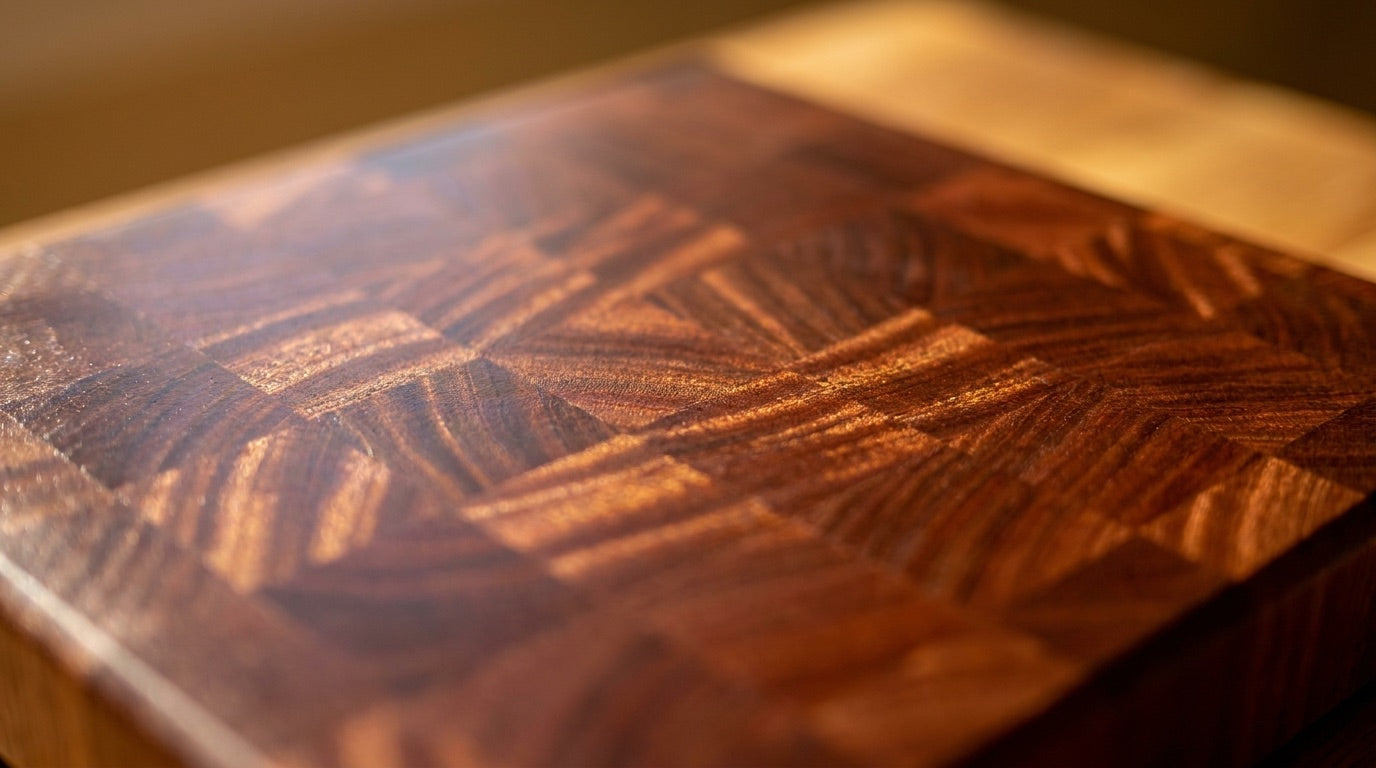 Sapele
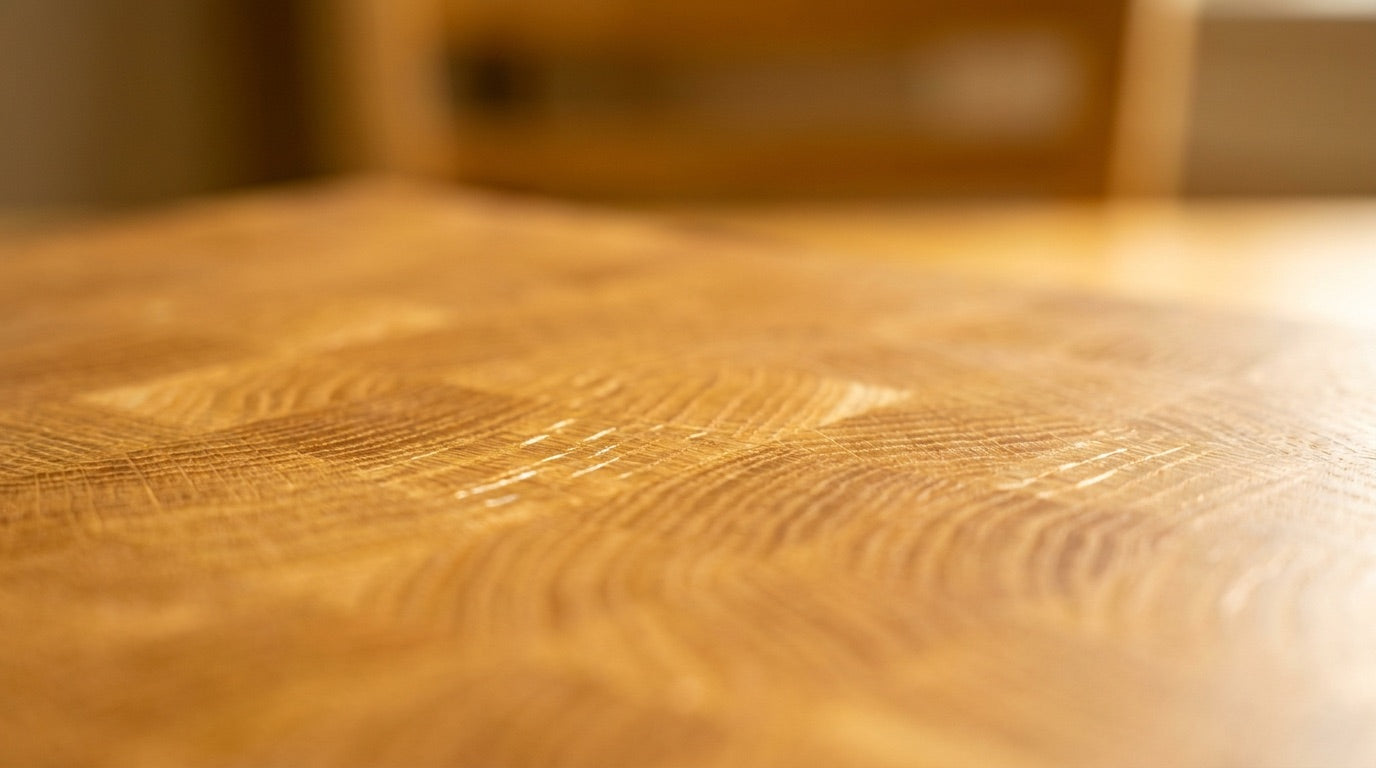 White Oak
It's built from four woods chosen on that same hardness-and-grain standard, maple, acacia, sapele and white oak, and because those upright fibers cradle the blade rather than grinding against it, the board that protects your food also keeps your knife sharp far longer than a hard flat surface ever could.
A plastic board is shedding into tonight's dinner. A board like this becomes the one you hand down.
You don't have to take anyone's word for any of this. The studies are linked below, and the test is something you can do in ten seconds tonight: run your thumb across the plastic board you own right now and feel the cuts. That's the gap. That's where the flecks and the bacteria live, and it's the one thing you can't wash out.
An end-grain board closes around the knife instead of scarring - so nothing gets trapped where your sponge can't reach.
The studies are peer-reviewed and linked below. The test is one you can run on your own board in ten seconds tonight.
- Plastic boards shed microplastics into food when cut. Yadav et al., Environ. Sci. Technol. 57(22), 2023. doi.org/10.1021/acs.est.3c00924
- Board plastic traced toward retail meat; large mass shed over a board's life. Habib et al., Food Addit. Contam. A, 2022. doi.org/10.1080/19440049.2021.2017002
- Microplastics found in chicken and fish linked to plastic cutting boards. Habib et al., IJERPH, 2022. doi.org/10.3390/ijerph192013442
- Bacteria die off on wood, survive and multiply in plastic knife grooves. Ak, Cliver & Kaspar, J. Food Prot. 1994. doi.org/10.4315/0362-028X-57.1.16
Statements reflect what the linked studies measured and found; research on the health effects of ingested microplastics is ongoing.